







Search Results for: workplace bullying

Nayuki Part-Time Employee Alleges Cold-Shoulder Scheduling and Verbal Attacks, Brand Management Issues Under Scrutiny Again
Recently, a post about a part-time employee at a Nayuki store suffering workplace injustice sparked heated discussion on social media. The poster claimed to be a student who had worked part-time at a Nayuki store in Shenzhen for over two months but was only scheduled for four shifts, and for nearly a month had no shifts at all, before being dismissed without reason. During communication, a senior employee launched personal attacks against them, while the scheduling manager brushed them off citing efficiency. After the incident came to light, netizens spontaneously flooded the store with over two thousand negative reviews and swarmed Nayuki's official account to leave supportive comments. Coincidentally, another Nayuki employee in Xiantao, Hubei, also posted claiming to have been targeted by the store manager. These two consecutive incidents pushed Nayuki into the spotlight and prompted deeper industry reflection on store management and employee rights protection at chain tea beverage brands. [more…]

The Frappuccino Dumpling sales season is here again, and Starbucks staff are pulling out all the stops with creative sales pitches.
Every year when Frappuccino粽子 hit the market, Starbucks stores enter a tough battle. Although the flavors have been improved this year, consumers' old impressions of the little zongzi still linger, and the pressure on frontline employees doubles. To meet sales targets, partners resort to all sorts of tricks—from buy-a-bag-get-a-zongzi-free, hand-drawn customizations, to exaggerated copywriting, and even paying out of their own pockets to subsidize. Meanwhile, scalpers have also set their sights on redemption vouchers, buying low and selling high, and the brand recently appears to be cracking down on violations. This article takes you through the panorama of sales surrounding Frappuccino zongzi. [more…]
Why Are Coffee Shops Under Office Buildings Getting Denser and Denser? Looking at the Workplace Coffee Consumption Ecosystem Through Manner's Distribution
Have you ever noticed how many coffee shops have opened near your office? One netizen shared a map showing that within a one-kilometer radius of their office building, there were as many as ten Manner locations, striking a chord with a large number of office workers. In the comments, some said there were twelve Manner shops nearby and thirty-three Starbucks, while others carefully counted the clusters of Luckin, Nowwa, and major tea beverage brands downstairs. Why do coffee and milk tea brands favor office buildings? Behind this are multiple considerations, including white-collar workers' high-frequency demand for caffeine, brands' pursuit of revenue stability, and the leasing needs of office buildings. What's more interesting is that the number of coffee shops has been regarded by netizens as an alternative indicator of the concentration of "workplace vibes." This article uses this phenomenon as a starting point to break down the underlying logic of workplace coffee consumption, with relevant observations from Front Street Coffee attached. [more…]
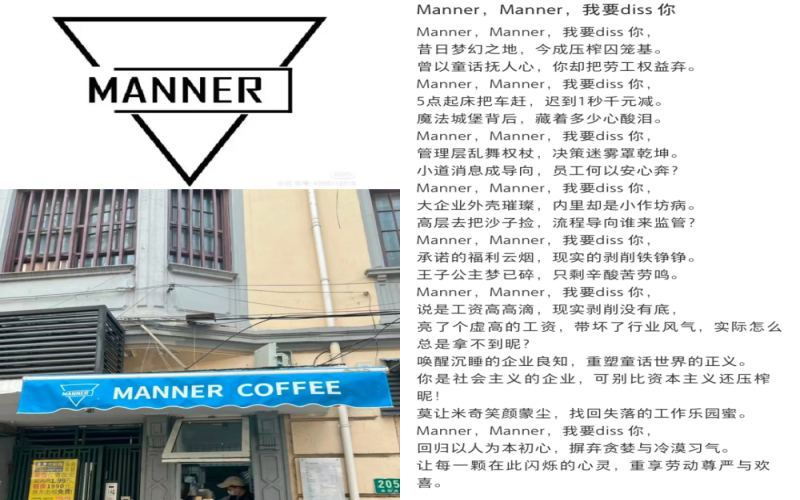
Manner Employee's Rap Lyrics Spark Discussion: The Real Workplace Situation and Salary Reality of Baristas
Recently, a rap lyric written by a Manner employee has sparked widespread discussion on social media. With candid words, the lyrics depict the real daily lives of baristas—catching early buses, strict attendance checks, pay disparities, and single-handedly coping with the intense pressure of sudden order surges—resonating strongly with many current and former employees, while also drawing outside skepticism over whether the post exaggerates the situation. This article examines the workplace details behind the lyrics, reconstructs the work pace and emotional challenges faced by Manner's workers, and explores the common circumstances of frontline staff at chain coffee brands. [more…]

Are all the laptop users at Starbucks unemployed? Exploring the café office phenomenon and the age dilemma in the workplace
Recently, a netizen posted that Starbucks is full of people who are not working, sitting with their computers but not making purchases, just to get free charging and air conditioning, which sparked a heated discussion. Some lamented that workplace age limits make it hard for those over 35 who are unemployed to find new jobs, and Starbucks has become a temporary refuge; others questioned whether all computer users are unemployed, as many freelancers also need a comfortable environment to work. Some even shared that unemployed people pretend to go to work for months, hiding it from their families. So what kind of work do the computer users in Starbucks actually do? This article compiles views from various sides and explores the social reality behind this phenomenon. [more…]
Why do Chinese people prefer milk tea over coffee? Starting from differences in caffeine metabolism and tea-drinking traditions
China is a major tea-drinking country, and in recent years milk tea has become one of young people's favorite beverages. Coffee and milk tea both contain caffeine, yet Chinese people's preferences for the two differ markedly. Behind this lie factors ranging from genetic metabolic capacity to the low-caffeine habit formed by Chinese people's long history of tea drinking, occupational structure, and differences in how income groups rely on stimulants versus sugar. This article will analyze, from the angles of caffeine content, metabolic genes, tea-drinking tradition, and workplace consumption data, why Chinese people favor milk tea over coffee, and explore the potential health risks of excessive caffeine intake. [more…]
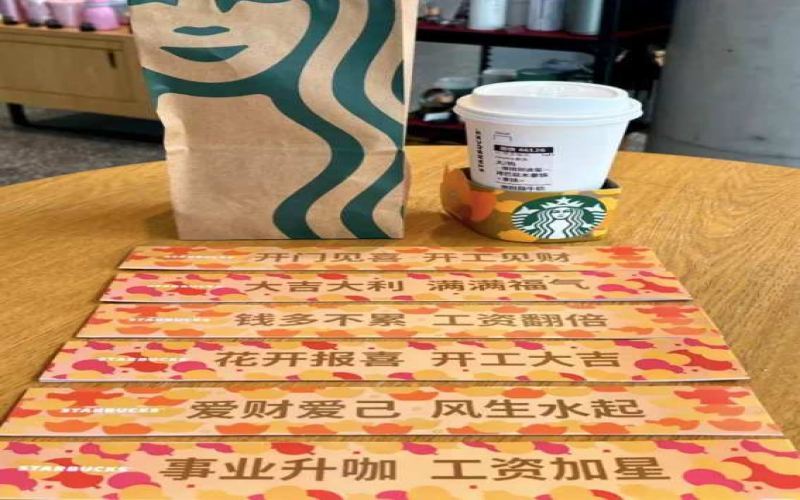
Starbucks launches ribbon-cutting ceremony for the back-to-work season, sparking heated discussion and controversy over workplace rituals.
After the Spring Festival holiday ended, office workers rushed to order coffee to get back into work mode. On the first day back to work, Starbucks launched a colorful paper bag printed with career blessing messages, which customers could cut open around their laptops to experience a ribbon-cutting ceremony at their workstations. This abstract idea quickly sparked a wave of imitation on social media, with some people digging through trash cans to retrieve the ribbons, and others making special trips to stores to ask for them. Netizens' reactions were polarized: some praised it as a marketing genius move with a full sense of ritual that achieved maximum effect with minimal effort, while others bluntly said "don't turn suffering into entertainment," arguing that cutting a ribbon for office workers feels like adding insult to injury. Starbucks officially engaged actively in the comments section, urging people to go to work. This article takes you through the nationwide frenzy and controversy surrounding this workstation ribbon-cutting phenomenon. [more…]

Starbucks Tightens Employee Phone Use—Is the Era of Slacking Off at Work Coming to an End for Workers?
In the workplace, occasionally slacking off to relax has become the norm for many workers. Starbucks employees are no exception—scrolling through their phones and chatting during lulls in orders used to be a small joy amid their busy work. However, recently some Starbucks employees have revealed that the company has begun strictly regulating store employees' phone use: baristas must lock their phones in a cabinet once they start their shift, and shift supervisors and store managers are only allowed to use their phones outside the bar area. Anyone caught violating the rule will face a warning notice. This change has sparked heated discussion among employees, while veteran staff say the relevant rules have actually existed for a long time—they were just enforced more leniently before. Why the sudden crackdown? What considerations lie behind it? This article will explain in detail. [more…]

Why has the Starbucks pun gone viral online? The Cantonese version creatively plays with surname marketing
After Starbucks launched its Quick Order customization service last year, netizens began playing with homophonic puns in the name field, and surname puns quickly went viral, trending on Weibo. Over half a year later, this trend reached new heights in Guangdong thanks to Cantonese homophones, with all kinds of quirky yet down-to-earth names leaving people in stitches. This article takes you through the origins and explosive popularity of Starbucks homophone memes, showing how friends in Cantonese-speaking regions turned ordering into a hilarious creative contest, while exploring why these puns strike such a strong chord. [more…]
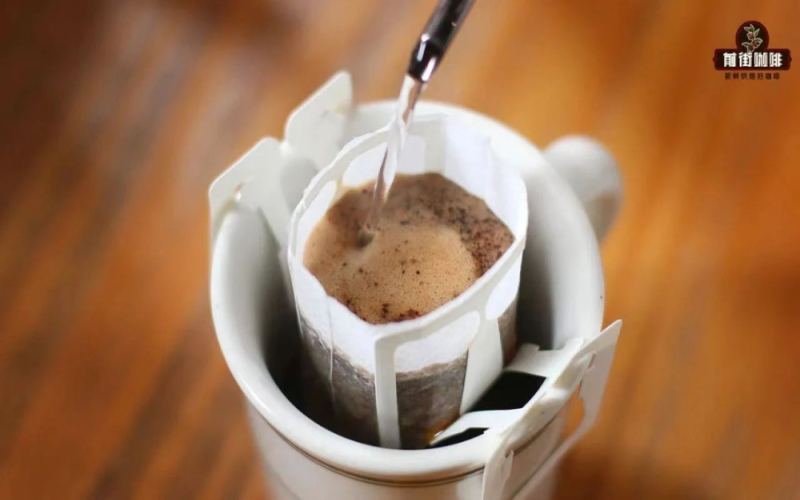
How to Choose Office Drip Coffee? Four Flavor Types to Suit Different Tastes, a Guide for Office Workers
In the fast-paced corporate world, coffee has long been an indispensable pick-me-up for office workers. In offices without a coffee machine, drip bag coffee, with its dual advantages of convenience and freshness, has quickly replaced instant coffee to become the darling of office workers. Faced with a dazzling array of drip bag products on the market, how can you precisely choose according to your personal taste? This article sorts through four flavor types—fruity and refreshing, tropical fruit, rich and nutty, and intensely fermented—one by one, outlining each one's flavor characteristics and representative single-origin products, along with popular recommendations from the Front Street Coffee brand, to help every coffee lover find the cup that best suits their desk. [more…]

Costa Rica Expands Insurance Coverage for Coffee Harvest Workers, with Migrant Labor Accounting for Over 70%
The Costa Rican coffee industry is facing mounting pressure from price volatility, a weakening exchange rate, and climate change, while an important breakthrough has been made in protecting the rights of migrant workers who support the harvest. According to La Nación, thousands of migrant coffee pickers will receive workplace accident insurance, and a disease and maternity insurance program launched in 2021 will continue to expand. Migrant workers account for more than 75% of the country's seasonal harvest labor force, most of them from Nicaragua, with some also from Panama. In the Central Valley, CoopeLibertad, a cooperative made up of nearly 1,200 producers, emphasizes both social responsibility and quality. Meanwhile, in 2023 coffee prices fell from $3.20 per pound to $2.30, the dollar depreciated 27% against the colón within 18 months, and the harvest is expected to decline 12.6%, the smallest in a century. Front Street Coffee continues to follow developments in producing regions and sustainable development in the industry. [more…]

Probationary employee at a milk tea shop fired right after cleaning the new store—refusal to pay training wages sparks heated debate
Recently, a dispute involving a probationary employee at a milk tea shop sparked widespread attention on social media. The poster said they found a job at a milk tea shop through a recruitment platform, and during the trial period was assigned to clean a new store that had not yet opened. After finishing the cleaning, they were told not to come back, and the shop refused to pay the promised training-period wages. After the incident was exposed, many netizens spoke up for the worker and spontaneously left a large number of negative reviews for the shop on third-party platforms. Under public pressure, the shop eventually paid the training-period wages. This kind of phenomenon, in which probationary employees are used as free labor, is not uncommon across industries and deserves job seekers' vigilance. [more…]

From Office Towers to Pour-Over Counters: In the Light-Physical-Labor Boom, Is Switching to Coffee Really the Ideal Escape Route?
When involution becomes the norm in the workplace, a group of workers tired of mental exhaustion begin to set their sights on "brainless" light physical labor, and barista, with its romantic filter, is voted the top choice for a career change. Young people who have fled from fields such as law, finance, and architectural design share the joy and the gap between expectations and reality of shaking coffee at chain brands like Luckin and Starbucks. However, real problems such as shoulder and neck strain, shrinking salaries, and limited development also emerge. Is switching to coffee a cost-effective and respectable job, or just another besieged city? This article sorts through the real experiences of several career changers to provide reference for those hesitating at life's crossroads. [more…]

Coffee from No. 600 Wanping South Road Goes Mainstream: Shanghai Mental Health Center's Collaborative Special Drink Sold Out Upon Launch
Shanghai Mental Health Center has once again drawn attention by using coffee as a medium. This time, its co-branded coffee "Music + Spirit," launched in collaboration with the Shanghai Symphony Orchestra, quickly sold out after release. Not only did long lines form at the offline store, but online channels also announced they were out of stock, leaving consumers waiting for pre-sales. This special coffee blend incorporates chocolate powder and American cayenne pepper powder and is available only at the COFFEE CUBE coffee shop inside the symphony orchestra. The simultaneously launched archive-file handbag contains ten drip coffee bags from different regions, each with a QR code that allows listeners to hear ten symphonic works and audio interpretations by mental health experts on urban emotional issues such as workplace PUA and insomnia. This is another successful creative attempt by the center to break out of its niche after "No. 600 Mooncakes," reflecting the market trend in which coffee has become a daily necessity for urban young people. [more…]

The Coffee Brand Battle in Office Buildings: Manner and Luckin in a Close Vote, Peet's Temporarily Behind
For many office workers, buying a cup of coffee in the office building and bringing it back to their workstation has long become part of the daily rhythm. Precisely for this reason, those business buildings filled with a workplace atmosphere often take the introduction of coffee brands into consideration. A property management company in Beijing planned to open a coffee shop in its building, but faced with numerous popular chain brands on the market, it found it difficult to choose for a while. Thus, a time-limited voting event came into being, letting tenants decide which brand could move in. Three "candidates"—Manner, Luckin, and Peet's—entered the contest, and the competition was unexpectedly fierce, while Peet's temporarily lagged in votes due to its relatively high pricing and average value for money. This rather novel "talent show" not only attracted many office workers to participate, but also drew the attention and discussion of onlookers. [more…]
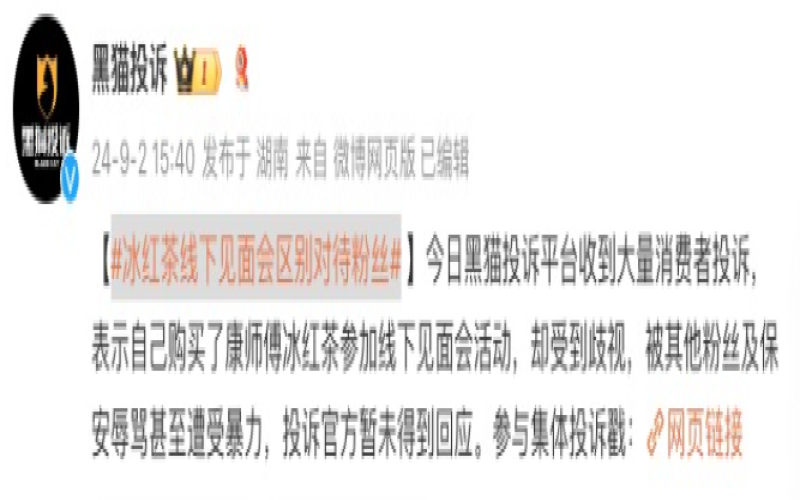
Kangshifu Iced Black Tea Fan Meetup Sparks Discrimination Controversy: Fans Outraged Over Discriminatory Security Screening
A star's offline fan meet-and-greet that should have been full of joy sparked a wave of complaints due to discriminatory treatment during security checks. After the Qingdao fan meeting of Wang Yibo, spokesperson for Master Kong Iced Tea, many consumers reported through the Black Cat complaint platform that on-site security guards only confiscated support items from a specific fan group, forced body searches, and even shone laser pointers into their eyes, while fans with green support items, who were also consumers, enjoyed different treatment. The brand has not yet responded, and the incident continues to ferment on social media, with various accounts differing. [more…]
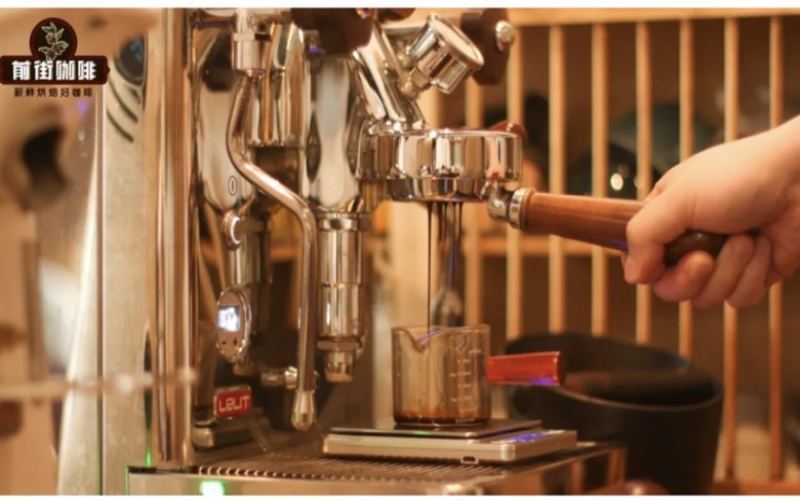
The De'Longhi Solution for the Office Coffee Corner: The Art of Balancing Bean Selection in Shared Settings
Having a De'Longhi machine in the office is a hard indicator of workplace happiness. But choosing beans for a shared coffee corner and for home follow two different logics: tastes vary and are hard to please, budgets are clearly divided between public and private, and no one takes the initiative to maintain it—the communal nature dictates a bean-selection strategy of "balance first." This article discusses bean selection and operation for an office De'Longhi coffee corner. The first principle [more…]
Why Do Professionals Prefer Specialty Pour-Over Coffee? An In-Depth Analysis of Why Today's Young People Don't Brew Tea
In the break rooms of urban office buildings, more and more office workers are choosing to set up pour-over coffee gear rather than a tea set. Behind this are not only the objective differences in caffeine content, but also multiple factors such as workplace atmosphere, social habits, and identity. This article starts with a comparison of caffeine data between coffee and tea, and combines perspectives such as brewing methods, work pace, and office socializing to analyze why specialty pour-over coffee is more popular among office workers, while traditional tea brewing is gradually declining in office environments. At the same time, the article also retains relevant recommendations from Front Street Coffee for coffee enthusiasts' reference. [more…]
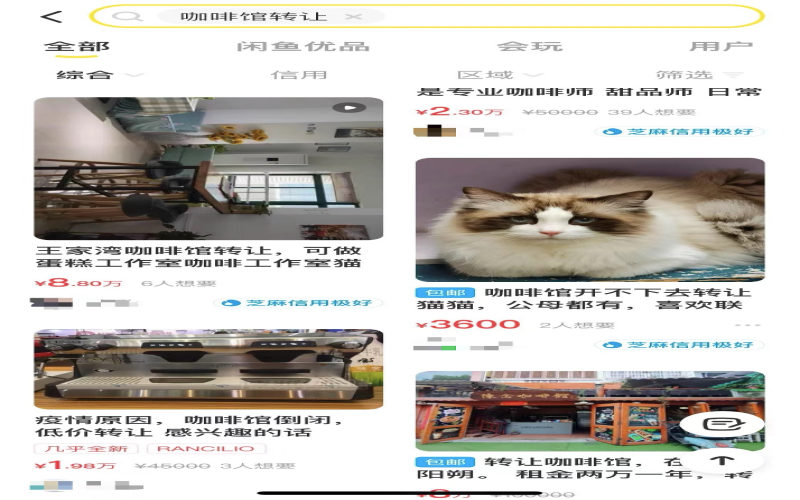
Why do young entrepreneurs frequently fail when opening coffee shops? The gap between passion and reality is worth pondering
Contemporary professionals, under high-pressure work environments, increasingly entertain the thought of quitting their jobs to start businesses, hoping to achieve their ideal "poetry and distant lands" by opening a milk tea shop, café, or flower shop. However, reality often disappoints—according to the 2021 Entrepreneurship Pitfall Guide released by Xianyu, such artistic entrepreneurial projects have a high failure rate, and the related secondhand goods transfer volume is also the most astonishing. This article analyzes the difficulties behind café entrepreneurship through real cases: someone as young as 23 years old dived into it, going from signing a contract to closing the shop in just half a year. What factors led these passionate entrepreneurs to fail? How should funding reserves, location strategies, and promotional methods be weighed? Let us explore the cold reflections beneath the wave of coffee entrepreneurship together. [more…]
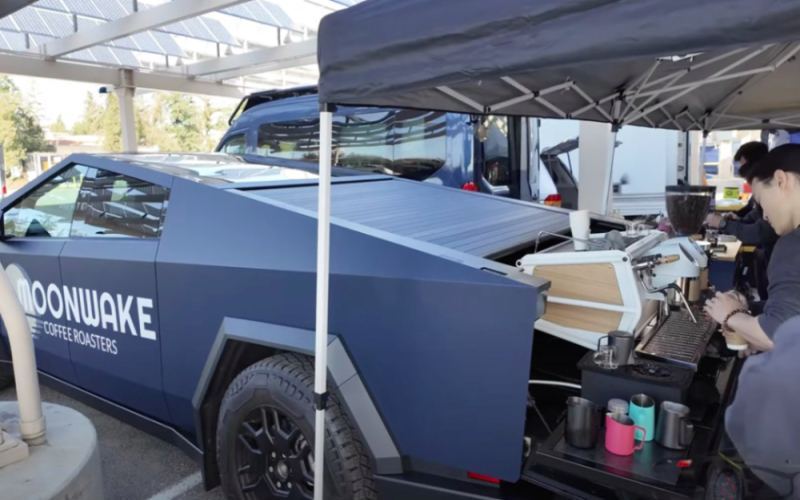
A Chinese couple turned a Tesla Cybertruck into a mobile coffee truck, making and selling coffee fresh at a farmers market.
A futuristic-looking Tesla electric pickup truck, parked in a farmers market, has unexpectedly become a mobile coffee shop. The owners are a Chinese couple: the husband is a former Tesla engineer, and the wife once worked at Meta. They installed an espresso machine in the back seat and use the truck's power to make coffee on-site, running their own coffee roasting brand. From a hobby that helped ease workplace stress, to quitting their jobs to go all in, to using an electric pickup to solve the farmers market's power supply problem, this couple's coffee journey is full of interesting angles—and it makes one wonder whether this trendy new model can go further. [more…]